Why a Family Game Night Rotation Works
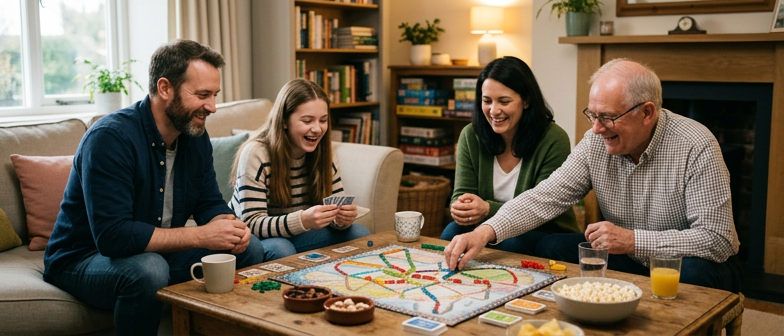
A planned Family Game Night Rotation turns a casual idea into a dependable part of your weekend entertainment routine. Instead of replaying the same title until everyone is bored, rotating games and even hosts lets each person share favorites and feel included. This simple structure balances different ages, attention spans, and comfort levels with rules or reading, so younger kids are not overwhelmed and teens do not feel stuck with activities that feel too childish. Because the event recurs, everyone can look forward to a relaxed space to reconnect after a busy week, with screens set aside and conversation happening naturally around the table.
Rotation also makes shared activity planning feel fair and manageable. When the job of choosing the game, setting up the table, or explaining basic rules moves from person to person, children learn to think about what others enjoy, not just what they want to play. Parents can guide choices to fit the family schedule and switch between quick card games and more involved strategy titles so no one feels left out. Over time, this rhythm keeps game night easy to maintain, because expectations are clear, decisions are shared, and the tradition becomes a regular, low‑pressure way to spend time together.
Designing a Simple Rotation System
A straightforward rotation system keeps Family Game Night feeling fresh without turning it into a major project. Choose a consistent rhythm that fits your weekend entertainment routine, such as every Friday evening or every second Saturday, and treat it as a shared activity everyone can count on. To keep it low-pressure, agree that the timing and length are flexible; if people are tired, you might play just one short game or move the session to another night. The goal is not to follow rigid rules but to build a predictable, comfortable pattern that fits around school, work, and other commitments while still giving the family a regular chance to connect.
Once you have a basic schedule, decide how to rotate responsibilities so everyone feels involved in planning. One simple option is to assign a different person each week to choose the board game, snacks, or music, so even younger children can help shape the evening. You can keep a small calendar or note on the fridge listing whose turn is coming up and invite that person to pick from an agreed list of age-appropriate games. If someone feels overwhelmed, let them swap turns or ask for support, reinforcing that this routine is meant to be relaxed and cooperative. Over time, this light-touch approach to shared activity planning helps the rotation run smoothly and makes game night feel like an easy, enjoyable part of family life rather than another task.
| Rotation Pattern | Best For | Decision Rule | Flexibility Level |
|---|---|---|---|
| Every week, same evening | Families wanting strong routine | Rotate game chooser by age or alphabetical order | Medium |
| Every second weekend | Busy schedules with changing plans | Host picks game and snacks from shared list | High |
| Monthly themed night | Families who enjoy planning ahead | Theme decides game shortlist; host makes final choice | Medium |
| Short pop-up sessions | Younger kids or tired evenings | Quick vote on light games only | High |
| School-holiday rotation | Families with shifting term-time demands | Children choose during breaks, adults during school weeks | Medium |
Assigning Roles and Responsibilities
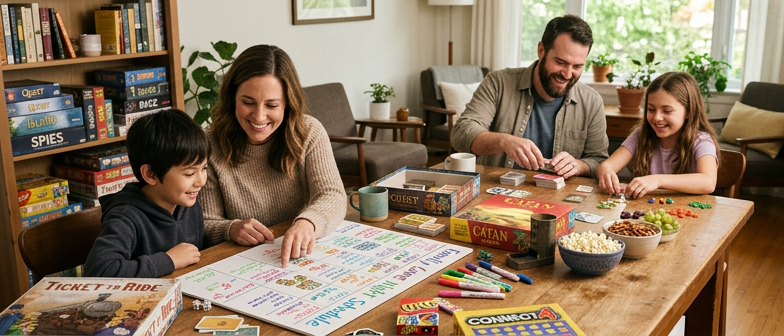
Assigning simple rotating roles is a practical way to make your Family Game Night Rotation feel like a shared activity instead of something one person manages every week. As part of your shared activity planning, invite everyone to take a turn as host, welcoming people to the table, choosing background music, and helping set up the game area. Another person can be the rule reader, responsible for explaining the game in clear, easy-to-follow language and reminding players of any easy group rules you have agreed on together.
To keep the atmosphere relaxed and fair, rotate support roles such as snack helper and scorekeeper. The snack helper checks that drinks and treats are ready before play starts, while the scorekeeper tracks points or turns and applies your simple ground rules consistently. By rotating these responsibilities on a regular schedule, each family member contributes, tasks stay manageable, and the whole game-night routine feels organized and cooperative.
Choosing and Rotating Board and Tabletop Games
A smooth family game night rotation starts with thoughtful board game selection. Look at who is actually playing each week, including ages, reading levels, and how long everyone can sit comfortably. Aim for a small mix that covers different needs, such as a fast card game for short attention spans, a mid-length strategy title for older kids or adults, and a cooperative game where players work together instead of competing. Include at least one option that very young or more hesitant players can join, even if they only roll dice or move pieces, so that participation feels open rather than forced.
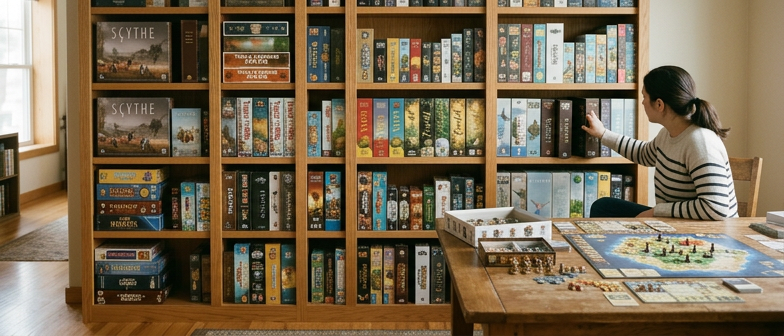
Once you know what your household enjoys, focus on simple tabletop game organization so choices are easy to see and grab. Group games on a shelf or in bins by play time or complexity, and store all components in clearly labeled boxes or bags to avoid missing pieces. Keep a small caddy with pencils, scrap paper, and extra dice to support a wide range of games without hunting for supplies. When everything has a reliable place, setup and cleanup stay quick, which makes it more likely that game night becomes a consistent part of your routine.
To keep favorites from feeling stale, build a light rotation system into your family game night schedule. One useful approach is to have three categories for each week: a familiar favorite, a game that has not been played in a while, and a new or less familiar option. Different family members can take turns choosing from each category so that everyone has a say. You can also set a simple rule that a game moves to the back of the shelf after being used, letting older titles move forward over time and keeping variety without losing beloved games.
Organizing a Family-Friendly Game Library
A simple system for organizing your family’s tabletop collection makes it easier to stick to a regular game night rotation. Group games by age range and typical play time so everyone can quickly spot options that fit tonight’s energy. For smoother board game selection, keep the most used titles at eye level and place complex strategy games higher or in a separate section. Clear boxes or baskets help you see what you own and keep favorites from getting buried.
Labeling is the quiet hero of tabletop game organization. Add easy-to-read tags to the side of each box with age range, player count, and a short category such as party, cooperative, or strategy so the right game is easy to spot. Store small parts, dice, and instructions in resealable pouches inside each box, and do a quick review every few months to donate unused games and repair worn components.
Keeping Competition Friendly and Fun
A rotating family game night works best when everyone knows the goal is to enjoy time together, not to prove who is the smartest or most skilled. Set a few easy group rules, such as no teasing about mistakes, no gloating after a win, and taking a short pause if anyone feels overwhelmed. When you explain that the Family Game Night Rotation is about shared memories rather than perfect scores, children and adults are more willing to try new titles and learn the rules. You can also agree on a simple code word to signal when the tone is getting too serious so everyone can reset the mood without blame.
To keep competition light, use friendly competition ideas that focus on cooperation or low‑stakes rivalries, like team play that mixes ages and skill levels. Encourage players to congratulate both winners and participants, and ask what people enjoyed about the round instead of only who came first. Rotating who explains the rules or tracks turns helps everyone feel included, especially when some players are more experienced. When the structure, expectations, and gentle house rules stay consistent from week to week, the competitive side of game night feels safe and predictable, and the rotation becomes something everyone looks forward to.
Q&A
-
How does rotating family game night help our weekend routine?
A rotation gives weekends a steady, low‑pressure plan without feeling repetitive. Different people choose games or host, so ages and interests are fairly included. -
What is a simple way to plan the rotation?
Pick a regular evening, like every Friday or second Saturday. Let start time and length be flexible, but keep one shared calendar so everyone knows the schedule. -
How can we share game night duties?
Split small jobs and rotate them: a host to set up and pick music, someone to explain rules, and another to organize and put away games. -
What should we keep in mind when selecting board and tabletop games?
Match games to who is there. Include one quick option, one longer choice, and at least one cooperative game for different attention spans and comfort levels. -
How do we keep competition friendly?
Set easy group rules: no teasing or gloating, pause if someone is upset, and remind everyone the goal is shared time, not winning at all costs.