Why a Game Night Rotation Works for Families
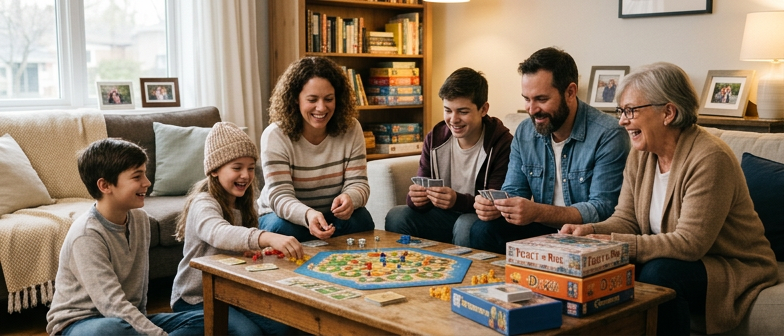
A planned Family Game Night Rotation turns a casual idea into a dependable ritual. Instead of scrambling at the last minute to decide what to play, everyone knows that a specific evening in the weekend entertainment routine is reserved for games. This predictability helps children and adults look forward to shared time, rather than trying to squeeze it in around other distractions. It also balances different interests, because the rotation gives each person a fair chance to choose the activity and feel included, which supports a calmer atmosphere and fewer arguments.
A clear schedule also makes shared activity planning easier. When families know in advance whose turn it is to pick, they can think about which games match the group’s mood, attention span, and energy that week. Over time, the rotation highlights what works well, such as shorter games on busy nights and longer sessions when everyone is more relaxed. This simple structure turns game night from a random event into a low-pressure tradition that strengthens connection, limits screen time for a while, and creates a familiar rhythm everyone can rely on.
Designing a Simple Weekly or Monthly Game Routine
A family game night rotation works best when it fits naturally into your weekend entertainment routine instead of feeling like another obligation. Choose a realistic frequency, such as every Friday or one Saturday a month, and agree on a time window most people can usually make. In homes with different schedules or ages, set a core time when everyone plays at least one game together, with optional time before or after for those who want longer sessions. Keeping the plan visible on a family calendar or shared app turns it into a predictable shared activity instead of a last-minute decision.
Once you know how often you will meet, keep shared activity planning in simple pieces. Decide who chooses games, who clears the table, and who puts everything away, then rotate those roles so one person is not always organizing. A light routine might be picking the game the day before, setting a snack plan, and confirming how long you will play so expectations stay clear. This small amount of structure supports the fun without feeling rigid and gives every family member a chance to shape the experience.
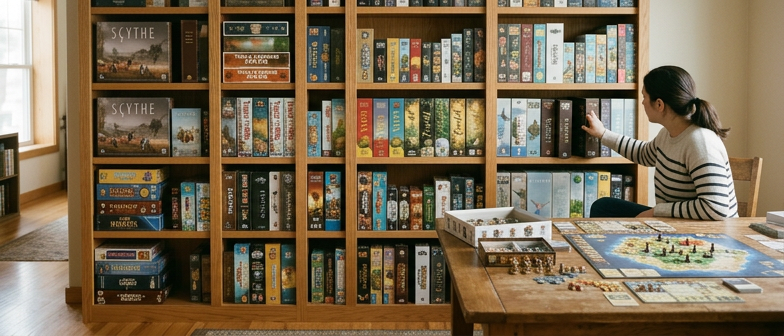
To keep game night running smoothly over time, put a little effort into tabletop game organization. Store your board and card games in one accessible place, with boxes labeled or grouped by play time or age range, so it is easy to grab something that fits the mood. Keep a small basket or tray with pencils, paper, timers, and other shared tools to reduce setup and cleanup. When starting and resetting stay quick, it is easier to stick with your schedule and enjoy a dependable way to relax together at the end of the week.
| Household Scenario | Rotation Pattern | Time Commitment | Organization Focus |
|---|---|---|---|
| Parents with young children | Weekly same-evening game night | Short core session, optional free play | Games grouped by age and simplicity |
| Mixed ages and busy schedules | Bi-weekly flexible weekend slot | Shared core game, staggered start or finish | Shelf by play time and player count |
| Teens and adults only | Monthly longer session | Extended play with breaks | Strategy and party games stored together |
| Large household or shared home | Rotating host and game chooser | Variable length based on host plan | Shared calendar plus labeled storage |
Creating a Rotation That Feels Fair and Flexible
A simple Family Game Night rotation works best when everyone understands it and feels heard. Agree on easy group rules for choosing games and roles, such as rotating who picks the game, who explains the rules, and who tracks the score or sets up the table. Write the plan where everyone can see it so the routine becomes part of your shared activity planning, and younger kids can look forward to their turn.
Keep the rotation flexible by building in options instead of strict obligations. If someone is tired or busy, let them trade turns with another family member without losing their place in the order. The week’s host can choose between a couple of suggested games, so there is structure without pressure. This balance helps game night feel like an invitation instead of a chore and makes it easier to keep the tradition going.
Choosing Board and Tabletop Games That Work for Everyone
When you set up a regular Family Game Night Rotation, the first question is which games make it to the table. Start by thinking about who is playing and how much time fits into your weekend entertainment routine. Young children usually enjoy quick turns, colorful pieces, and simple choices, while teens and adults may prefer deeper strategy or storytelling. Look for games that can be taught in a few minutes and finished in under an hour so new players are not overwhelmed. Matching complexity and play time to your group makes it easier for everyone to agree when game night comes around.
Smart board game selection also means balancing heavier strategy titles with lighter party or cooperative games. One week you might choose a thoughtful strategy game for older kids and adults, and the next week pick something relaxed that focuses on laughs instead of winning. Cooperative games are helpful when you want friendly play without intense competition, because all ages can work toward a shared goal. Over a month or two, rotate different styles so each person sees their tastes represented and no single type of game dominates the schedule.
To keep game nights running smoothly, treat tabletop game organization as part of your shared activity planning. Store games where players can see the boxes, group them by play time or age range, and keep a short list of easy group rules inside the lid or on top of the cards. Simple labels such as quick, medium, or long help with last minute decisions when everyone is tired but still wants to play. When your collection is easy to browse and the rules are ready to review, choosing what to play becomes part of the fun instead of a chore.
Organizing and Storing Your Family Game Collection
A little tabletop game organization makes your Family Game Night rotation smoother. Gather all your games in one place and check that each box has its pieces, dice, and rulebook. Add small bags or containers inside boxes to separate tokens and cards, and label the sides so titles are easy to read on a shelf. You can group games by age range, number of players, or play time so it is quick to spot options that fit everyone’s energy and schedule.
Storage choices can also support your rotation plan and help games last longer. Keep boxes upright on a stable shelf, away from moisture and direct sunlight, so boards stay flat and cards do not curl. A simple checklist or digital catalog makes it easier to vary what you play from week to week instead of reaching for the same few titles.
Keeping Competition Friendly and Fun
A rotating family game night works best when everyone feels relaxed, so keep competition light and expectations low. At the start of the evening, agree on easy group rules, such as being kind about mistakes, avoiding teasing about losing, and pausing if anyone feels overwhelmed. You can also set a time limit instead of playing every game to the very end, which reduces pressure on younger players. Remind the group that the goal of your Family Game Night Rotation is shared time together, not proving who is the best player, and frame wins as moments to celebrate and losses as chances to learn.
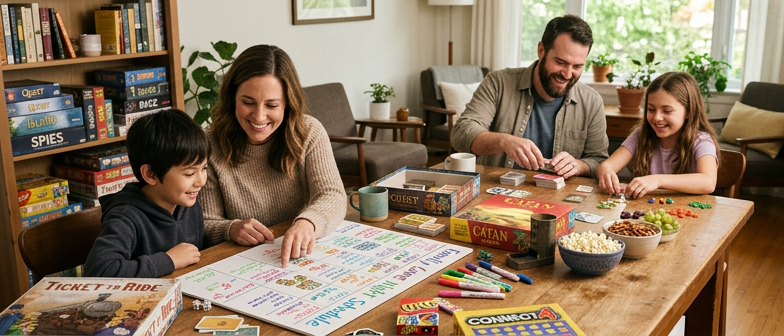
To keep the mood friendly, focus on playful ways to track progress instead of intense scoring. Some families enjoy a casual tally where players earn points for things like the most creative move, best team cheer, or most helpful rule reminder, not just for winning. Others like rotating mini awards, such as a silly title or a fun hat that passes to the next winner each week. When planning your board game selection, include cooperative and team-based titles so people can cheer for each other instead of always playing head-to-head.
Because every family includes different personalities, build in options so both competitive and easygoing players feel included. During your shared activity planning, ask who prefers strategy games, who likes luck-based titles, and who enjoys storytelling games, then alternate between them. Let anyone opt for a helper role, such as scorekeeper, card shuffler, or rules explainer, on nights when they do not feel like competing. Over time, weaving these choices into your weekend entertainment routine creates clear expectations, flexible roles, and simple rules that keep the atmosphere welcoming while still offering enough challenge to stay exciting.
Q&A
-
How does a family game night rotation improve our weekends?
It turns an occasional idea into a regular plan, so everyone knows when to expect games, has time to look forward to them, and gets a fair chance to choose what the family plays. -
What is an easy way to design a weekly or monthly game routine?
Pick a realistic day and time window, agree that at least one game is played together, and put it on a shared calendar so it feels like part of your normal weekend routine. -
How can we make the game-picking rotation feel fair?
Rotate simple roles: who selects the game, who reads the rules, who sets up the table, and who keeps score, and write the order down so everyone can see when their turn is coming. -
What types of board or tabletop games work best for mixed ages?
Look for games that teach in a few minutes, finish in under an hour, and offer short turns, with lighter options for younger kids and slightly more strategic choices for teens and adults. -
How do we keep competition friendly during game night?
Agree on basic rules like no teasing, being patient with mistakes, and taking breaks if emotions run high, and remind everyone that time together matters more than winning.