Why Plan a Family Game Night
Setting aside time for a regular family game night is a simple way to turn ordinary evenings into a shared routine everyone can look forward to. When you plan it instead of leaving it to chance, it becomes part of your family’s habits, not just a one-off event. Knowing there is a predictable evening for games helps children and adults feel more connected, because the focus is on being together rather than on screens or separate activities. Over time, this kind of indoor group fun routine can support communication, encourage turn-taking, and give quieter family members a relaxed space to join in without pressure.
Planning also makes the evening feel calm and manageable. You can choose games that match your family’s energy, attention span, and age range, so the experience stays light and enjoyable rather than competitive or stressful. Having a loose plan for snacks, seating, and which games to try turns the night into a low stress entertainment choice, where everyone knows what to expect and can switch activities if something is not working. Instead of scrambling for ideas, a bit of family game night planning gives you a ready-made way to enjoy time together at home and naturally strengthen shared family time habits.
Setting the Stage for a Relaxed Evening
A calm family game night starts with a simple plan, not a rigid schedule. Pick a start and end time that suits your usual weekend rhythm so no one feels rushed between chores, meals, and play. Keep the rest of the day light on demanding tasks and treat game night as a main weekend home activity rather than something squeezed into leftover time. Let everyone know in advance when you will eat and when games will begin, so both children and adults can settle in without worrying about what comes next.
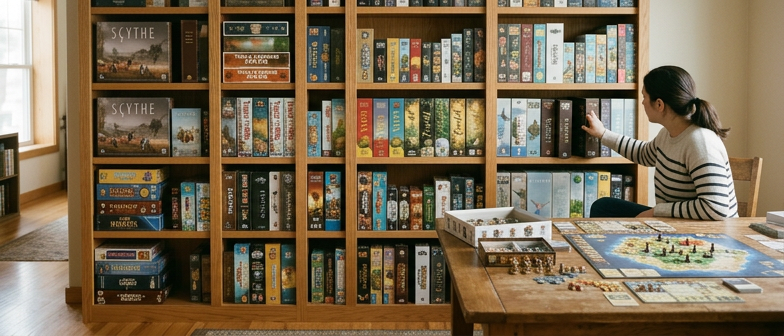
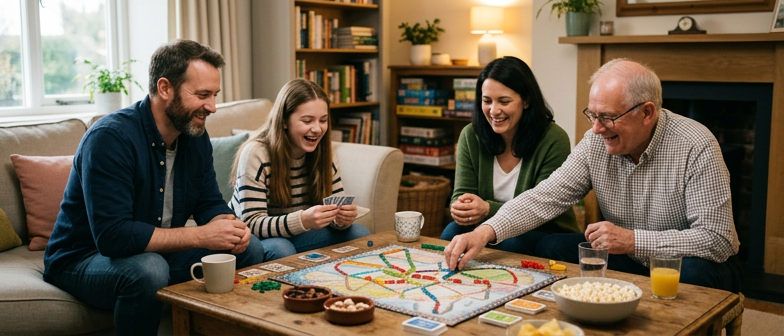
The physical setup of your home shapes how relaxed the night feels. Clear a table or coffee table so there is room for boards, cards, and snacks without constant rearranging. Use warm, comfortable lighting, and set out cushions or chairs so every age group has a supportive place to sit. Turn off background shows, keep music low, and put phones on silent or in another room. These simple choices create a cozy, low stress entertainment space where people can focus on each other instead of on clutter or distractions.
Before you start, agree on a few gentle ground rules that keep the mood easygoing. You might choose to keep scores casual, skip games that are highly competitive for very young or sensitive players, or pause for short breaks when anyone needs to move or get water. Invite each family member to suggest one small comfort, such as a favorite snack, a shorter game on busy weekends, or ending with a quick group check in. Over time, these shared habits turn game night into a predictable indoor routine that feels welcoming and genuinely restful for everyone.
| Checklist Item | Why It Helps | When to Prioritize | Suggested Approach |
|---|---|---|---|
| Choose a relaxed time window | Reduces rushing and tension | Busy weekends or after long days | Pick a clear start and soft end time |
| Lighten daytime chores | Protects energy for play | Days with heavy school or work | Move demanding tasks to another day |
| Clear and comfy game area | Keeps focus on play, not clutter | Any indoor group game session | Tidy table, add cushions, adjust lighting |
| Limit screens and noise | Supports calm shared attention | Households with many devices on | Mute phones, lower music, switch off TV |
| Agree on gentle ground rules | Prevents conflicts and hurt feelings | Families with mixed ages or temperaments | Keep scoring casual, allow breaks |
| Invite one comfort from each person | Builds a shared, welcoming routine | When forming regular game night habits | Let everyone request a small treat or tweak |
Choosing the Right Time and Rhythm
Pick a time for Family Game Night that fits your existing routines and feels like a natural weekend home activity. Many families choose a regular slot when everyone is usually home, fed, and not rushing, then start soon after dinner. Keep the session short at first so it feels like a low‑pressure indoor group fun routine instead of another chore.
Once you find a time that works, turn it into a shared family habit with a steady but flexible rhythm. Put it on a family calendar, give a quick reminder the day before, and allow small changes when school, sports, or work interfere. If weekly feels like too much, schedule it every other week or once a month so it stays enjoyable and easy to keep going.
Selecting Games for All Ages
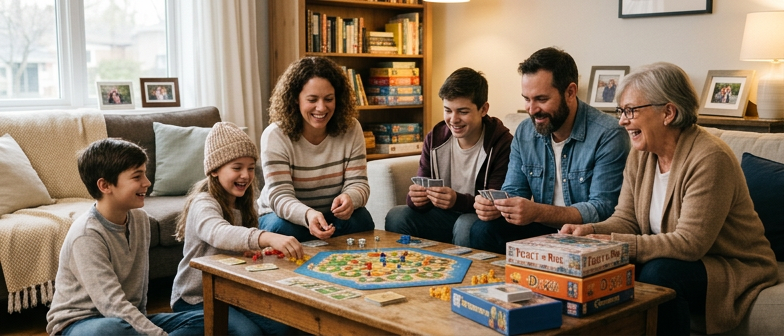
Choosing games for a family game night starts with looking at who will be playing and how long you want to play. A good all ages mix combines something active or silly, something quick and luck based, and something that asks for a bit more thinking. This balance keeps your family game night planning flexible for younger children, teens, and adults at the same time. It also helps you match attention spans and energy levels, so no one feels stuck in a game that is too long, too complex, or too babyish.
To build an indoor group fun routine that works week after week, think in terms of categories rather than specific titles. Light party games, storytelling or drawing games, and simple trivia or guessing games usually scale well across ages and can be explained quickly. Cooperative games, where everyone works together toward one goal, are especially useful with a wide age range, because older players can support younger ones without turning the evening into a lesson. Rotating different types of play over several weekends helps everyone discover what they enjoy and gives quieter family members a chance to shine.
If your goal is a relaxed, low stress evening, focus on entertainment choices with easy rules, short rounds, and clear stopping points. This makes it simple to pause for snacks, stretch, or end the night before anyone gets overtired. Keep a small shortlist of options ready and let each person take a turn choosing, so game selection feels fair and not dominated by one personality. When you keep expectations light and focus on shared family time habits like taking turns, cheering good moves, and laughing off mistakes, the specific game matters less than the feeling of playing together.
Balancing Competition and Cooperation
A relaxed family game night works best when your indoor group fun routine mixes classic win‑lose games with team challenges or fully collaborative titles where everyone shares a goal. This balance lets quieter or younger family members play alongside more confident players, while still giving those who love a challenge a chance to compete. Rotating between these styles keeps the focus on shared family time instead of who scores the most points.
To keep things low stress, make it clear that the real goal is laughing together, not tracking victories. Encourage gestures that soften competition, such as praising clever moves from any player, offering do‑overs for confusing rules, and letting beginners learn at their own pace. Simple ground rules, like ending with a cooperative game, turn rivalry into easygoing entertainment where every personality feels included.
Simple Snacks, Breaks, and Movement
A relaxed evening activity setup for family game night works best when food is simple and easy to manage. Choose snacks that can be eaten with one hand and do not leave a lot of mess on game pieces, such as sliced fruit, veggie sticks, popcorn, or small sandwiches. Keep drinks in lidded cups to reduce spills, and place everything on a side table so the game area stays clear. This light, low-prep spread supports weekend home activity ideas by keeping everyone at the table instead of sending people in and out of the kitchen for full meals.
To keep your indoor group fun routine comfortable, build in short breaks and gentle movement between rounds or games. Encourage everyone to stand, stretch, refill their water, or walk around the room briefly so people do not get stiff or restless. For younger children, turning a quick stretch into a playful challenge, like touching opposite corners of the room or trying a few calm, silly poses, helps release energy without creating chaos. These small pauses help everyone reset their focus, maintain steady energy, and return to shared family time feeling refreshed.
Q&A
-
How can a regular family game night help our daily routine?
A steady game night gives everyone a shared event to expect, pulls attention off personal screens, and creates simple chances to talk, laugh, and practice taking turns. -
How do we set up a relaxed evening for games at home?
Pick a clear start and end time, keep chores light, tell everyone when dinner and games happen, and stay flexible so no one feels rushed. -
When on the weekend is usually best for playing together?
Many families like right after an unhurried dinner, for about an hour, so everyone is fed, awake, and can enjoy a low‑stress activity before winding down. -
How can I choose games that work for all ages?
Include a short luck‑based game, one active or silly choice, and one with more strategy, then rotate so kids, teens, and adults each get a style that fits them. -
What simple snacks and breaks fit family game night?
Offer low‑mess finger foods like fruit, veggie sticks, popcorn, or small sandwiches, use spill‑resistant cups, and pause between rounds for quick stretch or water breaks.