Why Court Etiquette Matters for Beginner Pickleball Players
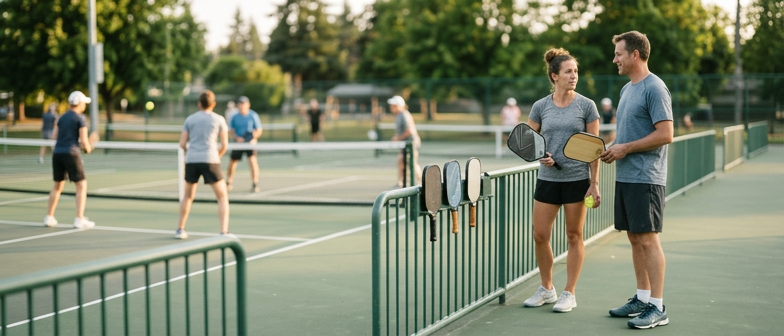
When you first step onto a pickleball court, it is easy to focus only on paddle sport basics like how to serve or where the non-volley zone is. Yet beginner pickleball court etiquette is just as important as understanding the official rulebook, because it shapes how enjoyable and welcoming each game feels. Recreational pickleball rules create structure for scoring and play, but etiquette fills the gaps by guiding how players treat each other, share space, and handle mistakes. For new players, this unwritten code can make the difference between feeling intimidated and feeling invited to join the fun.
Good manners on community courts keep games running smoothly and fairly, especially in busy public facilities where players of all ages and skill levels mix together. Simple habits like waiting for a point to end before walking behind a court, calling balls clearly and honestly, and returning stray balls safely show respect for everyone’s experience. When beginners learn these expectations early, they can join casual games with confidence and focus on improving their strokes and footwork instead of worrying about bothering others, so each match feels friendly and well organized rather than confusing.
Getting Ready for a Friendly Match
Before you step onto the pickleball court for a friendly match, a little preparation keeps things relaxed and enjoyable. Choose a paddle that feels comfortable rather than worrying about specs, and wear court shoes that give you stable grip so you can move safely. Bring water, a couple of balls, and any personal items you might need so you are not leaving the court over and over. Reviewing a few paddle sport basics, such as how to grip the handle, where the non-volley zone is, and how scoring works, shows respect for your partners and makes it easier to follow local etiquette without slowing play.
As a new player, arrive a few minutes early for a light warm-up and some short, low-pressure practice. Gentle rallies at mid-court, a few dinks near the kitchen line, and easy serves help you loosen up and give your partner a sense of your pace and comfort level. Use this time to say you are still learning, ask about any house rules, and agree on how competitive or casual the game should feel. This simple match preparation sets a friendly tone, with clear expectations, relaxed bodies, and open communication that support good sportsmanship and enjoyable early sessions on court.
| Pre‑Match Step | Why It Helps a Friendly Game | Quick Self‑Check | Priority |
|---|---|---|---|
| Choose comfortable paddle and court shoes | Supports safe movement and relaxed play | Paddle feels natural, shoes grip without slipping | High |
| Pack water, balls, and personal items | Reduces game interruptions | Everything needed stays courtside | High |
| Review grip, non‑volley zone, and scoring | Keeps rallies smoother for everyone | Can explain basics in simple terms | Medium |
| Arrive early for light warm‑up | Prevents rushed, tense first points | Body feels loose, breathing steady | High |
| Talk about skill level and house rules | Sets clear expectations and tone | Partner understands you are still learning | High |
| Agree on how casual or competitive to play | Aligns attitudes and avoids frustration | All players nod or respond positively | Medium |
Basic Gear and Safety Considerations
For most beginners, pickleball is a simple paddle sport, so you do not need expensive gear to show good court etiquette. A basic, comfortable paddle and balls that match the surface are enough to get started, and borrowing equipment on recreational courts is fine. Choose non-marking athletic shoes with decent grip instead of sandals or worn-out runners, because stable footwear prevents slips and keeps play safer. Light, flexible clothing, water, and a small towel help you stay comfortable so you are less likely to interrupt games due to fatigue.
Simple safety habits support beginner pickleball court etiquette. Warm up briefly before a friendly game and check that the court is clear of stray balls or loose items. When entering or leaving, wait for a pause in play and walk behind the baseline to avoid collisions. If your ball rolls onto another court, call it out, make eye contact, and return it with a gentle underhand tap so everyone can keep playing confidently.
On‑Court Manners During Recreational Play
Once you step onto the court, good manners matter as much as knowing basic paddle sport skills. In casual games, players follow recreational pickleball rules for scoring, serving, and faults, but with a relaxed, friendly tone. Remember the goal is shared fun, not strict enforcement. If you are new, tell your partners and opponents before the first serve so they know you may need an extra moment or a quick rules reminder. This kind of honesty is the heart of beginner pickleball court etiquette, where learning is welcomed and mistakes are part of the game.
Clear communication during rallies is a key part of community court manners. Call balls in or out loudly and quickly, and when a call is close, give your opponents the benefit of the doubt or suggest replaying the point. Be aware of your body position so you do not drift into a partner’s space or swing your paddle too close to others. If a ball from another court rolls onto yours, stop the point at once, call the ball, and return it with a gentle tap, showing you value safety and a calm, friendly atmosphere over winning a single rally.
Respecting the flow of play shows you understand how social games work. Be ready to serve, retrieve balls promptly, and keep the pace moving, while still allowing others a brief pause to catch their breath. Many casual doubles courts use simple rotation customs so more people can join, and following these unwritten rules helps games run smoothly. Thank others for the game, acknowledge good shots on both sides, and avoid criticizing errors. With basic rule awareness and thoughtful on‑court behavior, even a first‑time player can blend into recreational play and support a welcoming community.
Respectful Communication and Line Calls
Clear, calm communication is a key part of beginner pickleball court etiquette under basic recreational pickleball rules. Call the score before every serve in a steady voice so everyone can hear, and repeat it if someone seems unsure. Use simple, neutral phrases, and thank partners or opponents for good shots to set a friendly tone and show good community court manners.
Close line calls can feel uncomfortable, but a few habits keep them fair. On your side of the net, call balls in or out quickly, loudly, and only when you are sure; if you did not see it clearly, give the benefit to your opponents. If someone questions a call, answer briefly and respectfully, and offer to replay the point so the game stays relaxed and enjoyable.
Sharing Community Courts and Managing Rotations
On busy public courts, good community court manners are a core part of beginner pickleball court etiquette. Because many people may be waiting, players are expected to share time and space fairly, just as they follow basic recreational rules during play. When you arrive, pause to see how games are being organized instead of walking straight onto an open court. Introduce yourself, ask how they handle sign-ups or waiting, and mention your skill level so games stay fun and balanced. Show respect by walking around the back of a court instead of through a rally, keeping your gear off the playing area, and returning stray balls with a gentle tap or roll.
Many public facilities use a casual game rotation system so everyone gets a turn, and understanding it helps you join or start games politely. Some courts stack paddles, others use a whiteboard or informal line, but the idea is that winners, losers, or both rotate off so new players can step in. As a new player, say you are looking for practice or an easy social game, and be willing to partner with different people. If courts are full, offer to start a four-player group once enough paddles are in the queue, keep games short to the agreed score, and step off when it is your turn so the next group can rotate on.
Q&A
-
Why does court etiquette matter so much for new pickleball players?
Good etiquette makes games feel welcoming, reduces confusion, and helps beginners learn without pressure. It turns a set of rules into a relaxed, social experience instead of a tense competition. -
How should I prepare for a friendly pickleball match as a beginner?
Arrive a few minutes early with comfortable shoes, a paddle, water, and balls. Review basic scoring and where the non-volley zone is so you can follow the flow of a casual game. -
What basic gear and safety habits show respect on the court?
Use non-marking athletic shoes, a simple paddle, and appropriate balls. Keep the court clear of bags, stay hydrated, warm up gently, and stop play if you feel pain or dizziness. -
What are some simple manners to follow during recreational play?
Introduce yourself, say the score clearly before serving, avoid arguing over close calls, and apologize briefly if you hit someone with the ball. Keep the mood light and focused on shared fun. -
How do casual game rotations usually work on busy community courts?
Many courts use a paddle rack or a whiteboard to show who is waiting. Put your paddle in line, join the next open game when invited, and step off after one or two games if others are still waiting.